GVSS History
Origin and Identification: Golconda Vyapari Brahmins are a sub-sect of Telugu Brahmins. They were a significant portion of the Niyogi Brahmins and part of the Aruvela Niyogis. They are traditionally engaged in administrative, trade roles and commercial activities.
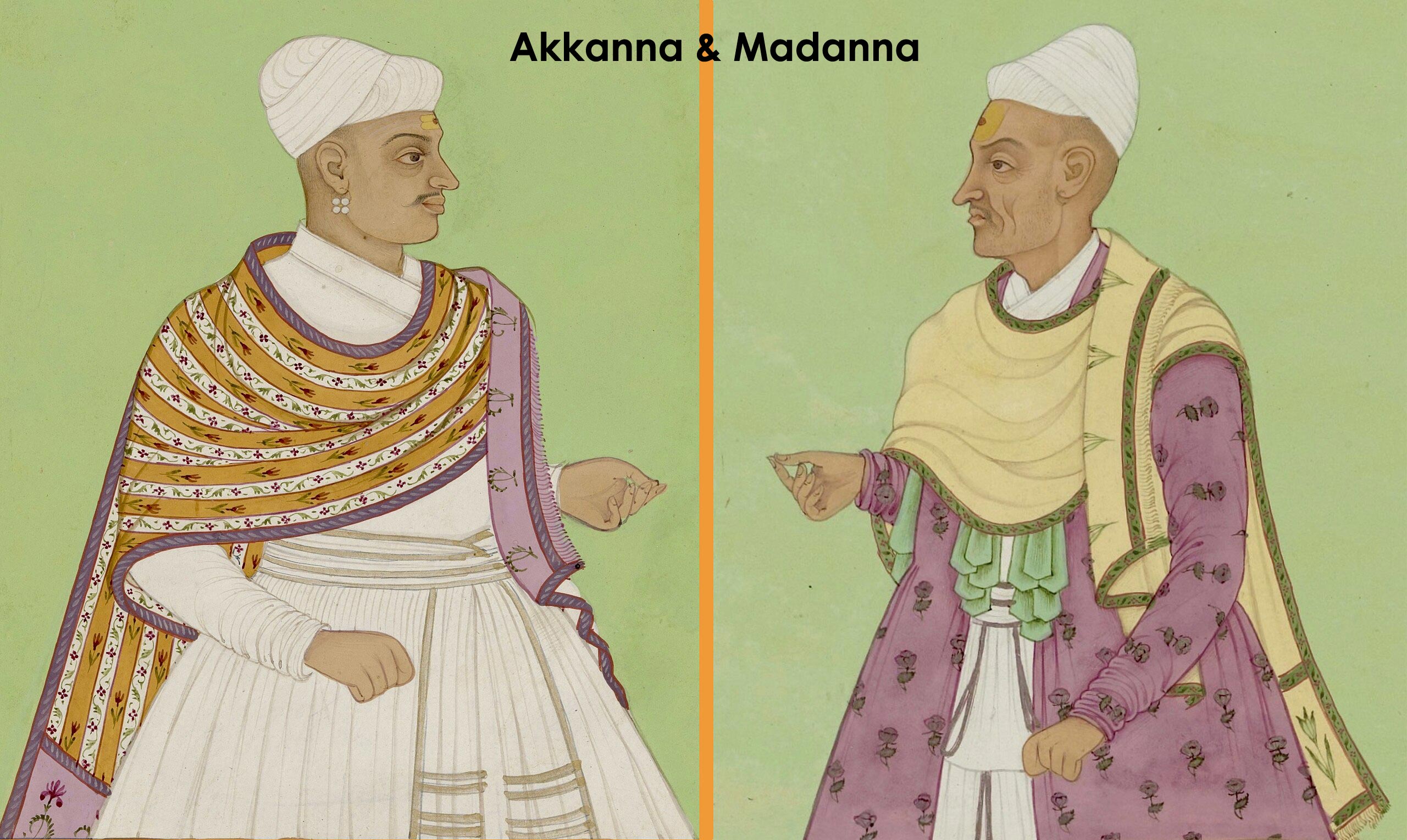
Akkanna and Madanna are from Brahmin family, sect called Golkonda Vyapari's a category of Neyogi brahmins. They originated with a famous surname – Pingali, who worked under King Taanisha at Golkonda, the royal king had many ministers at his court of which Madanna and Akkanna both were brothers served as the Commander-in-Chief and Prime Minister, respectively. These two brothers were one of the favourite ministers of the king.
Traditionally known as "vyapari" meaning trader, who embraced Vaishnavism while some Niyogi Brahmins remained Smartas. They are closely related to Deshastha Brahmins, and marriages between the two groups are common.
- Religious Practices: A significant portion of the Niyogi community, including the Golconda Vyaparis, traditionally practiced Vaishnavism, while other Niyogi groups followed Shaivite principles.
- Role in the Golconda Sultanate: During the period of the Golconda Sultanate, Deshastha Brahmins, with the help of Golconda Vyaparis, took over revenue administration roles at the village level, effectively replacing Niyogi Brahmins in this capacity.
- Marriage Alliances: Golconda Vyaparis and Deshastha Brahmins maintain close ties, and intermarriage between them is a common practice.
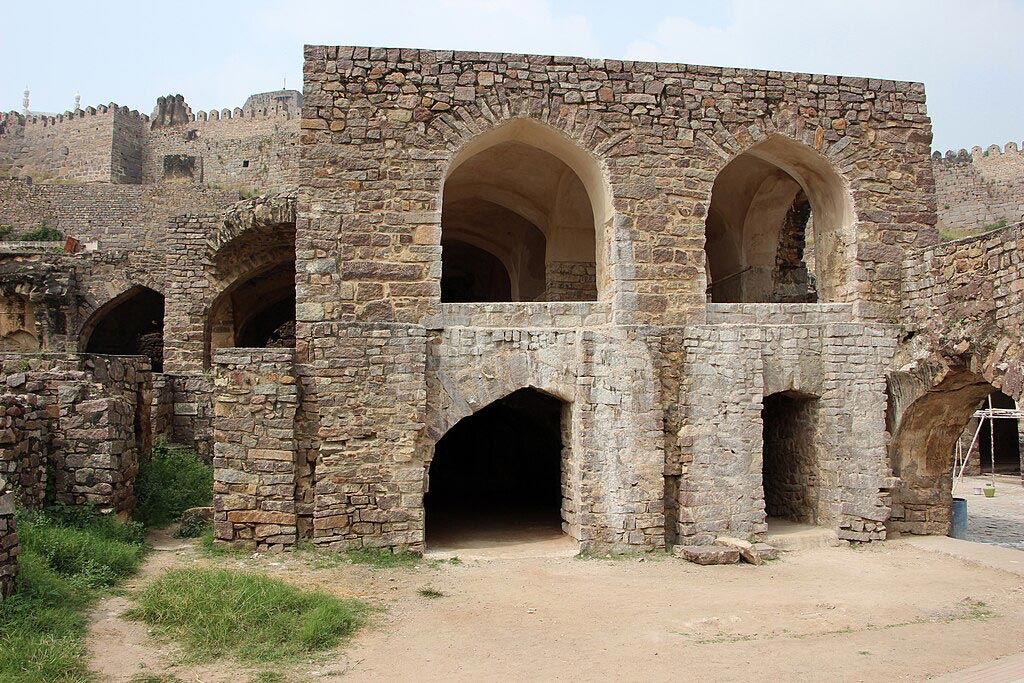
- Historical Significance: The name "Golconda" became synonymous with vast wealth, particularly during the Renaissance and early modern eras, due to the rich mines in the area, which brought riches to the Qutb Shahis and later to the Nizam of Hyderabad.